(Security) · built · reviewed · watched
Secure, then kept secure.
Any competent team can make a site secure on launch day. Keeping it that way for the next five years is a different promise - and it is the one almost nobody puts in writing.
Most security conversations are about the build. The harder question arrives eighteen months later.
On the day a critical flaw is announced in something your site depends on - the framework, the database, a library nobody has thought about since launch - three things decide what happens next. Who applies the fix. How quickly. And how you would know it had been done. For a great many websites the honest answer to all three is nobody, because it was never agreed with anyone. That gap is what this page is about.
(How it works)
Three things that have to be true.
No plugin marketplace, no page builders, no theme pulled from a directory. We own and control the application code and keep a deliberately small set of dependencies we can name. Every piece of third-party code on your site is there because we chose it, not because a template shipped with it.
Nothing leaves us until it has been through an independent adversarial review. The person who built it is never the only person who checked it. Findings are documented, remediated and re-tested, and that evidence comes with the handover rather than living in someone's head.
Every Monday we review the week's advisories across the .NET, SQL Server, Windows Server, IIS and dependency stack, plus vulnerabilities being actively exploited in the wild. Each report says what is affected, whether it touches your site, how urgent it is, and what we are doing about it.
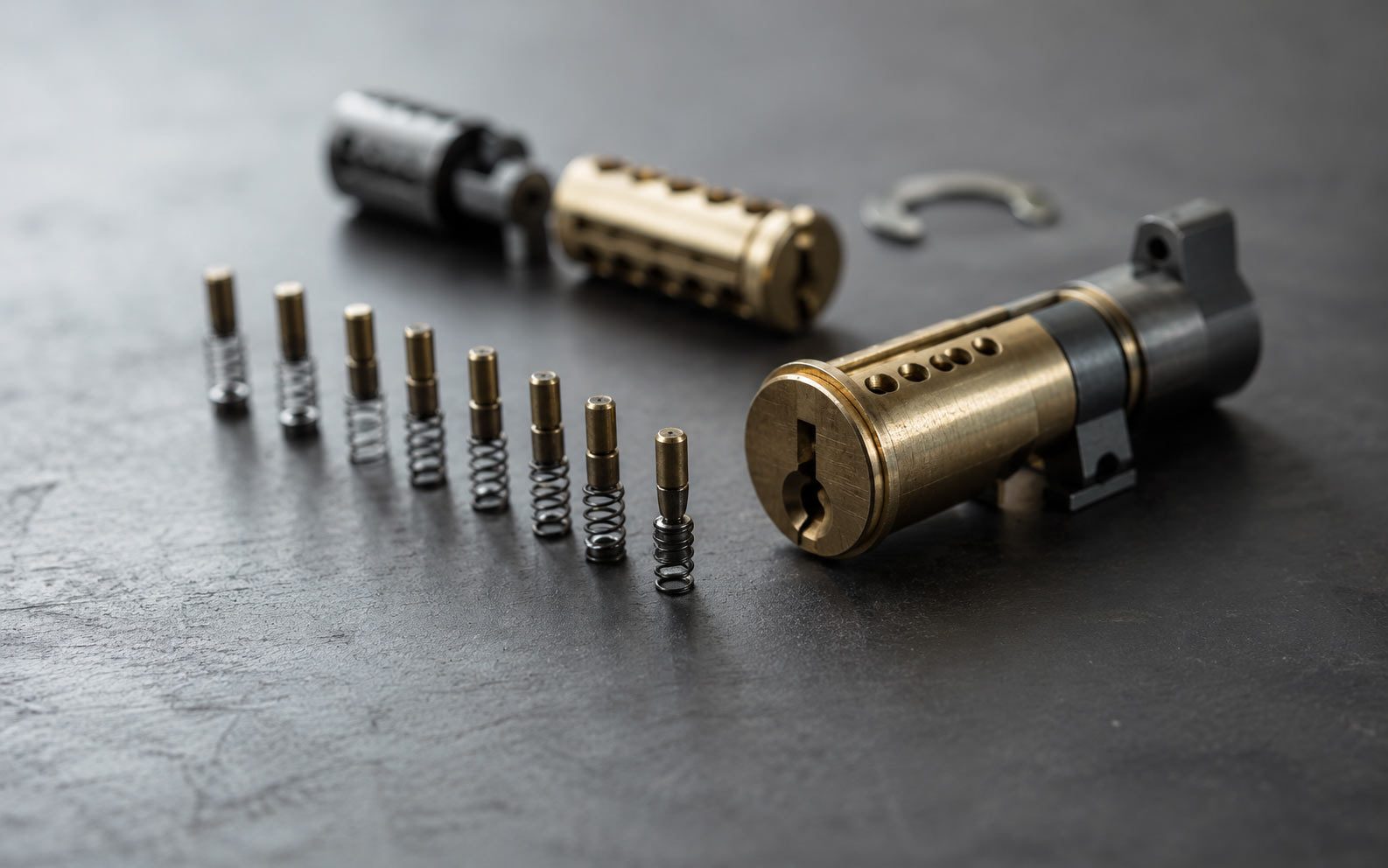
What is in the build itself.
None of this is exotic. All of it is the sort of thing that gets skipped when a site is assembled at speed from parts nobody in the room wrote.
(After launch)
The part that runs every week.
Software you depend on has flaws found in it constantly - that is normal, and it is true of every platform on earth including ours. What separates a maintained site from an exposed one is whether anybody is reading those announcements on your behalf. Every Monday we do exactly that, across the whole stack your site sits on. Most weeks the honest answer is that nothing affects you, and we say so. When something does, you hear what it is, how urgent it is, and what we are doing - usually before you have heard of it anywhere else.
(01)Advisories are read, not assumed
An advisory saying a component is vulnerable does not automatically mean your site is. The work is deciding whether the vulnerable path is one your site actually uses, and how exposed it is if so. That assessment is the job; the alert is just the trigger.
(02)Urgent things move immediately
Where something is being actively exploited, the fix is applied and you are told - not queued behind a monthly release. The window between a flaw becoming public and being used against real sites is now measured in hours rather than weeks.
(03)Fixes are tested like features
A patch or a framework upgrade goes through the same independent review and regression pass as new work. Nothing is assumed safe simply because a vendor published it.
What we do not claim.
We are not claiming our platform cannot have a vulnerability. Any non-trivial software can, ours included. What we claim is narrower and more useful: a smaller surface, a dependency list we can actually name, a review by someone other than the author, and a named owner for the fix. We are also not claiming that being less widely deployed is a security feature - it makes a platform a less attractive target for industrial-scale scanning, which is a real practical difference, but it is a consequence of scale rather than a control anyone designed. Anybody leaning on that as their main argument is leaning on nothing.
(Worth asking anyone, including us)
Four questions for any supplier.
We would rather you asked these of every agency on your shortlist, ourselves included. If a supplier cannot answer them, that is worth knowing before you sign rather than afterwards. There is a longer worked example of exactly this going wrong on our platform page - a real invoice, sent to a real client, for a flaw in a plugin their agency chose. And if you run WordPress, our post on whether your site is safe gives you the free checks first, with no pitch attached. Ask us anything here.